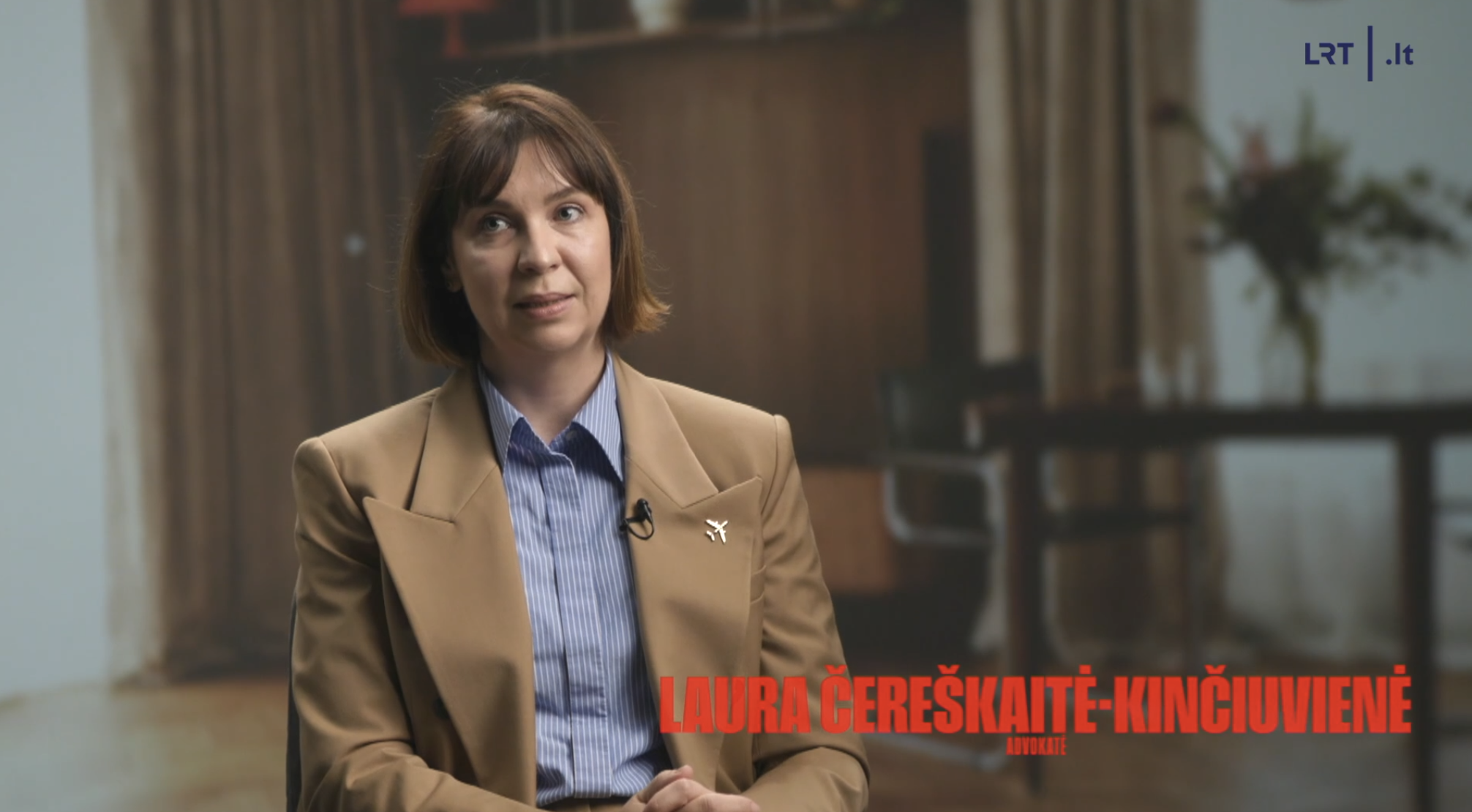
Following an aviation accident, two investigations with distinct objectives may take place: one to establish potential criminal liability, the other to determine the causes of the accident and prevent similar events in the future. Laura Čereškaitė-Kinčiuvienė, Managing Partner at AVERUS, discusses this distinction and other aspects of aviation law in LRT’s documentary series Lietuvos katastrofos (“Disasters in Lithuania”).
The episode Boeingas Žirnių gatvėje (“A Boeing on Žirnių Street”) examines the crash of a cargo aircraft operating for DHL in Vilnius in November 2024.
Laura recalls learning about the accident early that morning while following her usual routine of drinking coffee and watching the television programme Labas rytas, Lietuva (“Good Morning, Lithuania”). Her first step was to consult the Montreal Convention, which governs the civil liability of international air carriers.
As she explains, it is important to distinguish between the purposes of the investigations that follow such accidents.
A criminal investigation seeks to establish whether a criminal offence has been committed and identify those responsible. A safety investigation, meanwhile, aims to determine the causes and circumstances of the accident so that similar events can be prevented.
The purpose of a safety investigation is not to apportion blame or establish legal liability. Its findings and recommendations may inform legislative changes, improvements to safety procedures, new requirements, or recommendations to aircraft manufacturers and other aviation stakeholders.
This distinction highlights the broader role of aviation law. It encompasses not only commercial transactions, contracts of carriage, and compensation claims, but also legal mechanisms that help make aviation safer.
The episode Boeingas Žirnių gatvėje is available to watch on LRT Epika.